Introduction
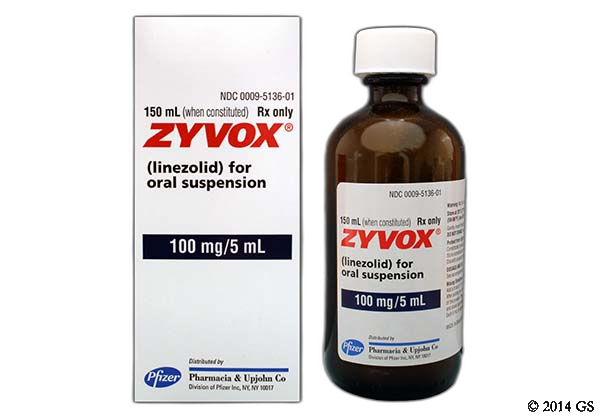
Zyvox (linezolid) is a synthetic oxazolidinone antibacterial with activity against a broad range of Gram-positive organisms, including methicillin-resistant Staphylococcus aureus (MRSA) and vancomycin-resistant enterococci (VRE). It is primarily used in the treatment of serious infections where alternative agents are ineffective or poorly tolerated, such as complicated skin and soft-tissue infections, pneumonia, and infections caused by resistant Gram-positive cocci. Linezolid occupies a unique niche due to its oral formulation with high bioavailability, allowing transition from intravenous to oral therapy in appropriate clinical scenarios.
Drug Class and Overview
- Drug Class: Oxazolidinone antibiotic (first and prototypical agent of the class).
- Related Agents: Tedizolid (a second-generation oxazolidinone approved for acute bacterial skin and soft-tissue infections); other investigational oxazolidinones have not reached widespread clinical use.
- Distinguishing Features:
- Inhibits bacterial protein synthesis at an early step (50S ribosomal subunit, initiation complex).
- Available in both intravenous and oral (100% oral bioavailability) formulations.
- Active against MRSA, VRE, and other multidrug-resistant Gram-positive cocci.
- Resistance has remained relatively uncommon but has been reported, particularly with prolonged use and in enterococcal isolates.
Mechanism of Action
Linezolid binds to the 50S ribosomal subunit at the peptidyl transferase center, preventing the formation of the initiation complex required for bacterial protein synthesis (blocking the association of the 30S subunit with the 50S subunit during mRNA translation). It does not inhibit peptide bond formation directly, distinguishing it from macrolides or chloramphenicol. Its bacteriostatic activity against most susceptible organisms (staphylococci and enterococci) and bactericidal activity against Streptococcus pneumoniae are characteristic.
Indications
- FDA-approved indications (adult and pediatric where applicable):
- Vancomycin-resistant Enterococcus faecium infections, including cases with concurrent bacteremia.
- Nosocomial pneumonia caused by Staphylococcus aureus (methicillin-susceptible and methicillin-resistant strains) or Streptococcus pneumoniae (including multidrug-resistant strains).
- Community-acquired pneumonia due to S. pneumoniae (penicillin-susceptible and penicillin-resistant) and S. aureus (MSSA only).
- Complicated skin and soft-tissue infections (cSSTI), including those caused by MRSA.
- Uncomplicated skin and soft-tissue infections (uSSTI) caused by S. aureus (MSSA only) or S. pyogenes.
- Off-label / Evolving Uses:
- Mycobacterial infections (e.g., Mycobacterium tuberculosis and nontuberculous mycobacteria), particularly as part of combination regimens for extensively drug-resistant TB.
- Infective endocarditis caused by resistant Gram-positive cocci (specialist use).
Dosage and Administration
- Adults:
- Standard dose: 600 mg IV or orally every 12 hours.
- Duration typically 10–14 days, depending on infection type, site, and clinical response.
- Pediatric Patients (birth to <12 years):
- 10 mg/kg IV or orally every 8 hours (not to exceed 600 mg/dose).
- Neonates (<7 days old):
- 10 mg/kg every 12 hours (specialist guidance recommended).
- Renal Adjustment:
- No dosage adjustment required for renal impairment; however, the two primary metabolites may accumulate in severe renal impairment (clinical significance uncertain).
- When administered within approximately 48 hours before hemodialysis, supplemental doses are not routinely recommended by FDA labeling, though some clinicians consider supplementation based on the specific clinical situation.
- Hepatic Adjustment:
- No dosage adjustment required for mild to moderate hepatic impairment (Child-Pugh class A/B); insufficient data for severe hepatic impairment (Child-Pugh class C).
- Pregnancy: Limited data; use only if benefits outweigh risks.
- Lactation: Linezolid is excreted in breast milk; use with caution.
Pharmacokinetics
- Absorption: Rapid and complete after oral administration; absolute oral bioavailability ~100%. Peak plasma concentrations in 1–2 hours.
- Distribution: Well distributed into tissues, including skin, soft tissue, lung, and CSF (variable; better with inflamed meninges). Volume of distribution approximately 40–50 L.
- Metabolism: Not significantly metabolized by cytochrome P450 enzymes; undergoes non-enzymatic oxidation to two inactive metabolites.
- Elimination: Primarily renal excretion; approximately 30% as unchanged drug and 50% as metabolites.
- Half-life: Approximately 5 hours (range 4.5–5.5 hours) in adults.
Contraindications
- Known hypersensitivity to linezolid or any component of the formulation.
- Use within 14 days of monoamine oxidase inhibitor (MAOI) administration (risk of hypertensive crisis).
- Concomitant use with serotonergic agents in patients who cannot be closely monitored (relative contraindication; see Drug Interactions).
Warnings and Precautions
- Boxed Warning (per FDA labeling in some formulations / historical regulatory notices): None in current US FDA label; however, warnings include:
- Myelosuppression: Thrombocytopenia, anemia, leukopenia, and pancytopenia have been reported, particularly with therapy exceeding 2 weeks. Complete blood counts should be monitored weekly.
- Peripheral and Optic Neuropathy: Especially with prolonged use (>28 days). Vision changes or paresthesias warrant evaluation and possible discontinuation.
- Serotonin Syndrome: Risk is increased when used concurrently with serotonergic agents (SSRIs, SNRIs, tricyclic antidepressants, MAOIs, tramadol, meperidine, buspirone, triptans, and certain herbal supplements such as St. John's Wort).
- Lactic Acidosis: Reported with prolonged use.
- Convulsions: Have been reported; use with caution in patients with seizure history.
- Hypoglycemia: Rare reports; caution in diabetic patients, particularly those on insulin or insulin secretagogues.
- Superinfection: Clostridioides difficile-associated diarrhea has been reported with nearly all antibacterial agents.
- Acetyl-CoA Carboxylase Inhibition: Linezolid can inhibit bacterial ribosomal assembly in mitochondria; clinically associated with myelosuppressive and neuropathic effects.
Drug Interactions
- Monoamine Oxidase Inhibitors (MAOIs): Risk of severe hypertensive reaction; contraindicated within 14 days of MAOI use.
- Serotonergic Agents: Increased risk of serotonin syndrome (combination with SSRIs, SNRIs, TCAs, tramadol, meperidine, buspirone, dextromethorphan, triptans, St. John's Wort). Avoid combination or monitor closely for symptoms (agitation, hyperreflexia, hyperthermia, clonus).
- Sympathomimetic Agents and Tyramine-Rich Foods: Linezolid has weak MAO-inhibitory activity; very large amounts of tyramine-containing foods (aged cheeses, cured meats, fermented soy products, draft beer, red wine) may provoke hypertensive reactions; counsel patients accordingly.
- Rifampin: May decrease linezolid plasma concentrations; clinical significance variable.
- Warfarin: Potential for increased INR; monitor closely.
- Metformin and Other Drugs Affected by Mitochondrial Toxicity: Theoretical additive risk; monitor.
Adverse Effects
- Common (>5%):
- Diarrhea
- Headache
- Nausea
- Vomiting
- Insomnia
- Constipation
- Rash
- Serious / Less Common:
- Thrombocytopenia and anemia (more common with prolonged therapy)
- Peripheral neuropathy
- Optic neuropathy (potentially irreversible)
- Lactic acidosis
- Serotonin syndrome
- Hyponatremia / SIADH
- Clostridioides difficile-associated diarrhea
Monitoring Parameters
- Complete Blood Count (CBC): Baseline and at least weekly during therapy, especially if treatment exceeds 2 weeks.
- Visual Function: Baseline and periodic assessment for optic neuropathy with extended therapy (>28 days).
- Neurologic Examination: For signs of peripheral neuropathy during prolonged courses.
- Renal Function: Routine monitoring, especially in patients with severe renal impairment where metabolites may accumulate.
- Serum Lactate: If unexplained acidosis or clinical deterioration occurs.
- INR: If on concurrent warfarin therapy.
Patient Education
- Take exactly as prescribed; do not skip doses.
- Complete the full course of therapy even if feeling better.
- Avoid tyramine-rich foods (aged cheeses, cured meats, fermented products, draft beer) in large amounts.
- Report any sudden changes in vision, unusual tingling or numbness, persistent nausea/vomiting, or unexplained bleeding/bruising immediately.
- Inform your prescriber of all medications, especially antidepressants, migraine medications, herbal supplements (notably St. John's Wort), or sympathomimetic decongestants.
- Watch for signs of serotonin syndrome (agitation, confusion, rapid heartbeat, muscle twitching, fever) — seek urgent care if these occur.
- Use caution driving or operating machinery until effects are known (rare dizziness possible).
Clinical Pearls
- Linezolid's 100% oral bioavailability makes it an excellent "step-down" therapy from IV vancomycin for serious MRSA infections, particularly in patients with stable hemodynamics and functional GI tract.
- Routine CBC monitoring is essential beyond 2 weeks of therapy due to the risk of reversible thrombocytopenia and anemia.
- Be vigilant for serotonin syndrome when combining with SSRIs/SNRIs — although the absolute risk is lower than historically suggested, prompt recognition of symptoms (clonus, hyperreflexia, hyperthermia) is critical.
- Linezolid does not require dose adjustment in renal dysfunction, but metabolite accumulation may warrant close monitoring in advanced chronic kidney disease.
- Peripheral and optic neuropathy risks increase with courses longer than 28 days; reassess therapy necessity before extending beyond this window.
- Reserve use for confirmed or strongly suspected resistant Gram-positive infections to minimize unnecessary risk and preserve utility.
References
- Pfizer Inc. Zyvox (linezolid) Prescribing Information. U.S. Food and Drug Administration. Updated periodically.
- American Thoracic Society; Infectious Diseases Society of America. Guidelines for the Treatment of Methicillin-Resistant Staphylococcus aureus Infections in Adults and Children.
- Liu C, Bayer A, Cosgrove SE, et al. Clinical practice guidelines by the Infectious Diseases Society of America for the treatment of methicillin-resistant Staphylococcus aureus infections in adults and children.
- World Health Organization. WHO Model List of Essential Medicines (linezolid entry). Latest edition.
- Stevens DL, Bisno AL, Chambers HF, et al. Practice guidelines for the diagnosis and management of skin and soft tissue infections: 2014 update by the Infectious Diseases Society of America.
- Metlay JP, Waterer GW, Long AC, et al. Diagnosis and treatment of adults with community-acquired pneumonia. American Journal of Respiratory and Critical Care Medicine.
- Mandell LA, Niederman MS. Aspiration pneumonia. New England Journal of Medicine.
- Rybak JM, Roberts K, et al. Linezolid and the oxazolidinones: a review of clinical pharmacology and toxicology. Clinical Pharmacology in Antimicrobial Therapy.
- Nahid P, Mase SR, Migliori GB, et al. Treatment of drug-resistant tuberculosis. An Official ATS/CDC/ERS/IDSA Clinical Practice Guideline.
- Prokuski L. Linezolid in the treatment of orthopedic infections: a review. Journal of Bone and Joint Surgery.
- Kalil AC, Metersky ML, Klompas M, et al. Management of adults with hospital-acquired and ventilator-associated pneumonia: 2016 Clinical Practice Guidelines by the Infectious Diseases Society of America and the American Thoracic Society.
- Barletta JF, Kanji S, et al. Linezolid and the risk of serotonin toxicity: a review of the evidence and clinical implications. Pharmacotherapy.