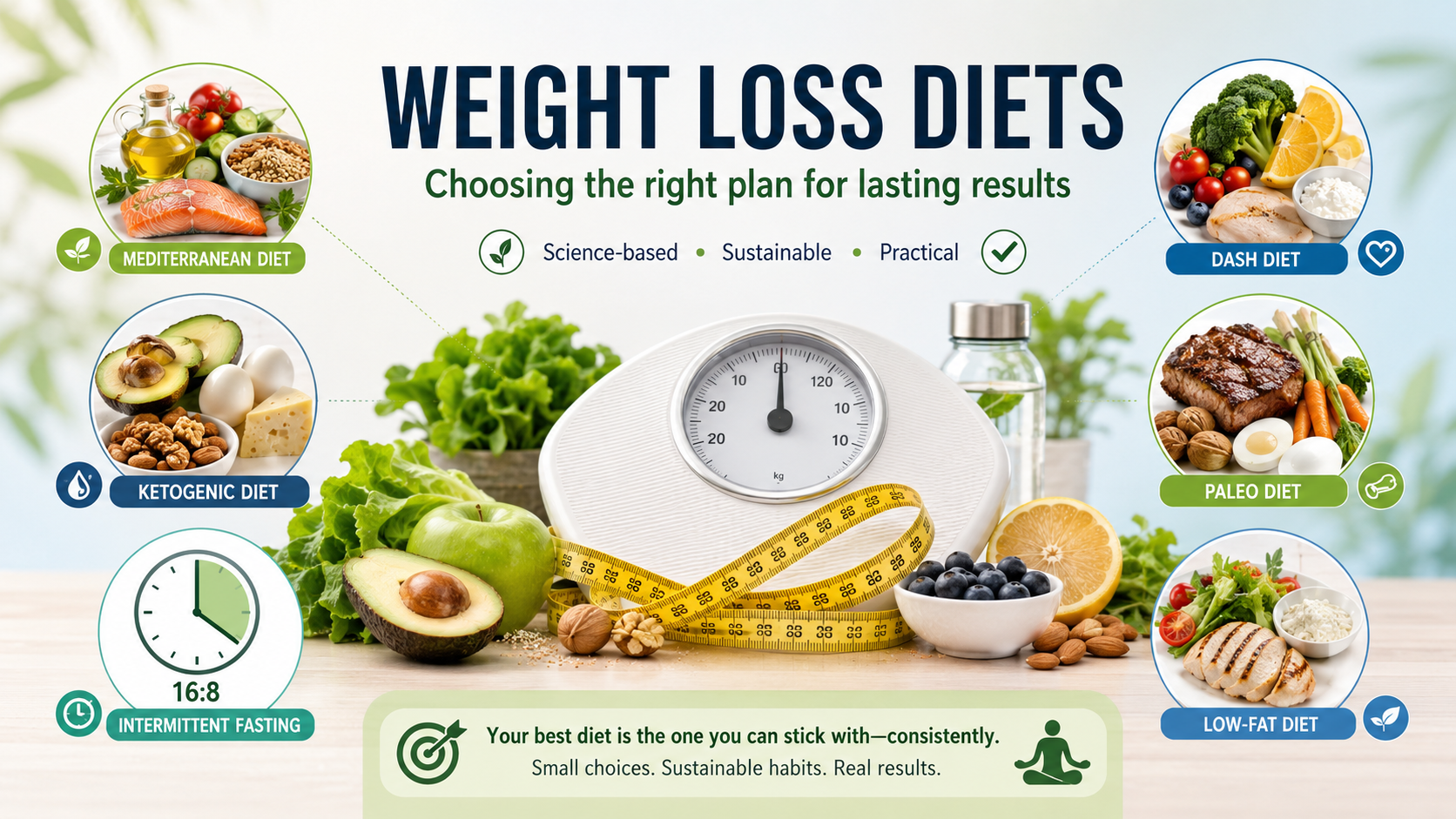
Weight loss is a journey that millions embark on each year, yet many struggle to find a diet that works for them. With countless fad diets, conflicting advice, and miracle claims, it's easy to feel overwhelmed. This guide cuts through the noise, providing evidence-based information on the most popular weight loss diets, their pros and cons, and how to choose the one that fits your lifestyle. Whether you're aiming to shed a few pounds or make a significant health transformation, understanding the science behind these diets is the first step toward lasting success.
Understanding Weight Loss: The Basics
At its core, weight loss occurs when you consume fewer calories than your body burns, creating a calorie deficit. However, the quality of calories matters just as much as quantity. Diets that focus on whole foods, balanced macronutrients, and sustainable habits tend to be more effective than restrictive plans. Before diving into specific diets, it's crucial to recognize that no single diet works for everyone. Genetics, metabolism, lifestyle, and preferences all play a role. The best diet is one you can adhere to long-term without feeling deprived.
Popular Weight Loss Diets: A Comprehensive Overview
1. The Mediterranean Diet
The Mediterranean diet is consistently ranked as one of the healthiest eating patterns. It emphasizes fruits, vegetables, whole grains, legumes, nuts, and healthy fats like olive oil, with moderate amounts of fish and poultry, and limited red meat and sweets. Studies show it reduces the risk of heart disease and supports weight loss due to its high fiber and nutrient density. It's not overly restrictive, making it easy to maintain.
- Pros: Heart-healthy, flexible, rich in antioxidants, supports brain health.
- Cons: Requires cooking skills, may be costlier due to fresh ingredients.
Sample foods: Greek salad, grilled salmon, whole-grain pasta with vegetables, hummus with carrots.
2. The Ketogenic (Keto) Diet
The keto diet is a very low-carb, high-fat eating plan that forces the body into ketosis, where it burns fat for fuel instead of carbohydrates. Typical macros: 70-75% fat, 20-25% protein, and 5-10% carbs. It often leads to rapid initial weight loss due to water loss, but long-term adherence can be challenging.
- Pros: Rapid weight loss, reduced appetite, improved blood sugar control.
- Cons: Keto flu, nutrient deficiencies, social difficulties, not suitable for everyone (e.g., those with kidney issues).
Sample foods: Avocado, eggs, cheese, nuts, fatty fish, leafy greens.
3. Intermittent Fasting (IF)
Intermittent fasting isn't a diet but an eating pattern that cycles between periods of eating and fasting. Popular methods include the 16:8 (fast for 16 hours, eat within an 8-hour window) and the 5:2 (eat normally for 5 days, restrict calories to 500-600 on 2 non-consecutive days). It helps reduce calorie intake without counting calories.
- Pros: Simple, flexible, improves insulin sensitivity, may promote cellular repair.
- Cons: Hunger during fasting periods, potential overeating in eating windows, not advised for pregnant women or those with eating disorders.
Sample schedule: Skip breakfast, eat from noon to 8 PM, or alternate between 5 days of normal eating and 2 days of 500-calorie meals.
4. The DASH Diet
Originally designed to lower blood pressure, the DASH (Dietary Approaches to Stop Hypertension) diet is also effective for weight loss. It emphasizes fruits, vegetables, whole grains, lean proteins, and low-fat dairy, while limiting sodium, red meat, and sugary drinks. It's balanced and nutritionally complete.
- Pros: Scientifically proven, heart-healthy, easy to follow, supports overall wellness.
- Cons: Requires careful meal planning, some may find it too low in flavor initially.
Sample foods: Oatmeal with berries, grilled chicken salad, steamed vegetables, low-fat yogurt.
5. The Paleo Diet
The Paleo diet mimics the eating habits of our hunter-gatherer ancestors, focusing on whole foods like meat, fish, eggs, vegetables, fruits, nuts, and seeds, while excluding grains, legumes, dairy, and processed foods. It eliminates refined sugar and additives, which can aid weight loss.
- Pros: Whole-food based, reduces inflammation, high protein and fiber.
- Cons: Expensive, restricts entire food groups, may be hard to sustain socially.
Sample foods: Grass-fed beef, sweet potatoes, broccoli, berries, almonds.
6. The Low-Fat Diet
Low-fat diets limit fat intake to about 20-30% of daily calories, focusing on carbohydrates and lean proteins. They were popular in the past but have been criticized for replacing fats with refined carbs. Modern versions emphasize healthy fats in moderation.
- Pros: Simple concept, reduces saturated fat intake, works for some.
- Cons: May increase hunger, can lead to high sugar intake if not careful, not ideal for everyone.
Sample foods: Skim milk, baked chicken, brown rice, steamed vegetables.
How to Choose the Right Weight Loss Diet for You
Selecting a diet is a personal decision. Consider your health conditions, lifestyle, food preferences, and weight loss goals. If you have diabetes, a low-carb diet like keto may be beneficial, but consult a doctor. If you love cooking, Mediterranean or DASH might be perfect. For busy individuals, intermittent fasting offers simplicity. Always prioritize sustainability over quick fixes.
Key Factors to Consider
- Medical history: Any chronic conditions? Consult a healthcare provider.
- Lifestyle: How much time do you have for meal prep? Do you eat out often?
- Preferences: Do you prefer meat or vegetarian? Do you enjoy cooking?
- Budget: Some diets require premium ingredients.
- Long-term commitment: Can you see yourself following this for years?
Common Mistakes to Avoid on a Weight Loss Diet
Even the best diet can fail if you fall into common traps. Here are pitfalls to avoid:
- Extreme restriction: Cutting calories too low slows metabolism and leads to muscle loss.
- Ignoring portion sizes: Even healthy foods can cause weight gain if overeaten.
- Relying on 'diet' foods: Processed low-fat or low-sugar products often contain additives.
- Skipping meals: This leads to overeating later in the day.
- Lack of protein: Protein is crucial for satiety and preserving muscle mass.
- Not drinking enough water: Thirst is often mistaken for hunger.
Combining Diet with Exercise and Lifestyle Changes
For optimal weight loss and maintenance, diet should be paired with regular physical activity and healthy habits. Aim for at least 150 minutes of moderate aerobic exercise per week, plus strength training twice a week. Additionally, prioritize sleep (7-9 hours) and manage stress, as both affect hunger hormones like cortisol and ghrelin.
Frequently Asked Questions About Weight Loss Diets
Q: How fast can I expect to lose weight on a healthy diet?
Safe and sustainable weight loss is typically 1-2 pounds per week. Rapid loss often leads to regaining weight.
Q: Can I lose weight without exercise?
Yes, diet alone can create a calorie deficit, but exercise boosts results and improves heart health.
Q: Are low-carb diets safe for everyone?
No, people with kidney disease, pregnant women, and those with certain medical conditions should avoid them.
Conclusion
Weight loss diets are not one-size-fits-all. The most effective approach is to choose a plan that aligns with your health needs and preferences, and that you can stick with over time. Whether you opt for Mediterranean, keto, intermittent fasting, or another evidence-based diet, remember that consistency and balance are key. Combine your diet with regular exercise, adequate sleep, and stress management for holistic results. Always consult with a healthcare professional before starting any new diet, especially if you have underlying health conditions. Your journey to a healthier weight is a marathon, not a sprint—embrace the process and celebrate every small victory.