Introduction
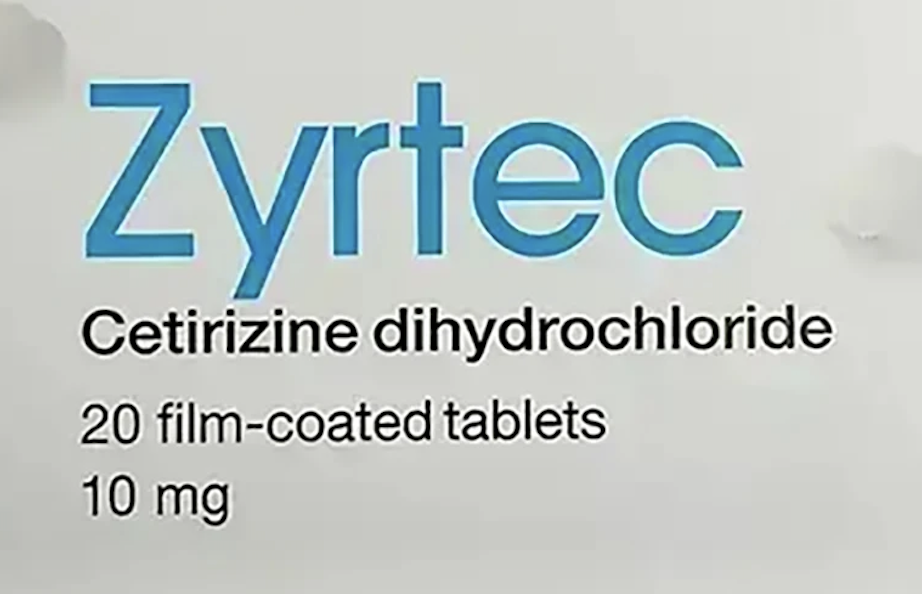
Zyrtec (cetirizine hydrochloride) is a second-generation H1-receptor antihistamine widely used for the management of allergic rhinitis and chronic urticaria. It is the carboxylated metabolite of hydroxyzine and is available over-the-counter and by prescription in the United States. Its clinical relevance lies in offering symptomatic relief of histamine-mediated conditions with a comparatively favorable sedation profile relative to first-generation antihistamines.
Drug Class and Overview
- Class: Second-generation (peripherally selective) H1-receptor antihistamine.
- Related agents: Loratadine, desloratadine, fexofenadine, levocetirizine (the R-enantiomer of cetirizine), and the parent compound hydroxyzine.
- Distinguishing features: Rapid oral absorption, once-daily dosing, minimal anticholinergic activity, low penetration across the blood–brain barrier at therapeutic doses, and limited CYP450 metabolism.
Mechanism of Action
Cetirizine competitively and reversibly antagonizes histamine at peripheral H1 receptors, preventing histamine-mediated increases in vascular permeability, smooth muscle contraction, and pruritus. It also demonstrates modest anti-inflammatory properties, including inhibition of eosinophil chemotaxis and reduction of late-phase allergic mediators, although the clinical significance of these effects is modest. Unlike first-generation agents, it has low affinity for muscarinic, α-adrenergic, dopaminergic, and serotonergic receptors at therapeutic concentrations.
Indications
- Seasonal allergic rhinitis (SAR) – relief of sneezing, rhinorrhea, nasal/ocular pruritus, and lacrimation.
- Perennial allergic rhinitis (PAR).
- Chronic idiopathic urticaria (CIU) – reduction of wheal size, flare, and pruritus.
- Off-label/commonly used: allergen-induced asthma adjunct (limited role), atopic dermatitis-associated pruritus (adjunct), and insect bite reactions.
Dosage and Administration
Adults and adolescents ≥12 years:
- 5–10 mg orally once daily; 10 mg is the standard adult dose for most indications.
Pediatric patients (oral):
- 6 months to <2 years: 2.5 mg once daily; for children 12 months to <2 years, dose may be increased to 2.5 mg twice daily under medical advice.
- 2 to 5 years: 2.5 mg once daily; may be increased to 5 mg once daily or 2.5 mg twice daily.
- 6 to 11 years: 5–10 mg once daily.
Renal impairment:
- CrCl 30–50 mL/min: 5 mg once daily.
- CrCl 10–29 mL/min: 5 mg every other day.
- CrCl <10 mL/min or hemodialysis: contraindicated or not recommended.
Hepatic impairment: No dose adjustment typically required, as hepatic metabolism is minimal; however, use caution in combined hepatic and renal dysfunction.
Geriatric: Consider reduced dosing in patients ≥65 years due to age-related decline in renal function.
Pregnancy: Category B (US FDA); use only if clearly needed.
Lactation: Excreted in breast milk; use caution and consider shorter-acting alternatives.
Pharmacokinetics
- Absorption: Rapidly absorbed; Tmax approximately 1 hour. Food may delay Tmax but does not substantially reduce overall absorption.
- Distribution: Approximately 93% protein-bound. Low central nervous system penetration.
- Metabolism: Minimal hepatic metabolism; not significantly metabolized by CYP450 enzymes. The parent compound is pharmacologically active.
- Elimination: Excreted primarily unchanged in urine (~70%) and feces (~10%). Renal clearance involves both glomerular filtration and active tubular secretion.
- Half-life: Approximately 8 hours (may be prolonged in renal impairment to 19–21 hours).
Contraindications
- Known hypersensitivity to cetirizine, hydroxyzine, or any component of the formulation.
- Patients with end-stage renal disease (CrCl <10 mL/min) or on hemodialysis.
- Concomitant use with alcohol or other CNS depressants is not strictly contraindicated but is generally advised against.
Warnings and Precautions
- CNS depression: Although less sedating than first-generation antihistamines, somnolence, fatigue, and dizziness can occur; patients should be cautioned about driving or operating machinery until they understand their individual response.
- Urinary retention: Use with caution in patients with prostatic hypertrophy or bladder outlet obstruction due to weak anticholinergic activity.
- Glaucoma: Use cautiously in patients with angle-closure glaucoma.
- Renal impairment: Dose reduction is required; accumulation may increase CNS and anticholinergic effects.
- Hepatic/renal combined dysfunction: Use with caution; consider dose reduction.
- Pediatric considerations: Syrup formulation (5 mg/5 mL) should be used with calibrated measuring device to avoid dosing errors in young children.
- QT effects: Unlike some other antihistamines (e.g., terfenadine, astemizole), cetirizine has not been shown to cause clinically significant QT prolongation at recommended doses.
Drug Interactions
- CNS depressants (alcohol, opioids, benzodiazepines, sleep aids): Additive sedation; counsel patients to avoid alcohol while taking cetirizine.
- Anticholinergic agents (TCAs, antipsychotics, antispasmodics): Additive anticholinergic effects (dry mouth, urinary retention, constipation, blurred vision); use cautiously, especially in the elderly.
- Theophylline: A modest decrease in cetirizine clearance has been reported when co-administered with theophylline (high-dose); clinical significance is limited at standard doses.
- Ritonavir: May increase plasma concentrations of cetirizine; monitor for increased sedation or adverse effects.
- P-glycoprotein/renal transporters: Cetirizine may interact with drugs affecting renal tubular secretion, though clinically significant interactions are uncommon.
Adverse Effects
Common (>1%):
- Somnolence (≈14%)
- Dry mouth (≈5%)
- Fatigue
- Dizziness
- Headache
- Pharyngitis
- Nausea
- Abdominal pain
Less common:
- Diarrhea, dyspepsia
- Paresthesia
- Agitation or irritability (particularly in children)
Rare/serious:
- Hypersensitivity reactions, including angioedema, rash, urticaria, and anaphylaxis
- Hepatitis (rare case reports)
- Seizures (very rare, usually in overdose or with predisposing factors)
- Thrombocytopenia (rare)
- Tics/dystonia (rare, mostly in children)
Monitoring Parameters
- Clinical symptom response (rhinitis score, urticaria activity score).
- Renal function (serum creatinine, estimated CrCl) prior to dosing in patients with suspected renal dysfunction and periodically in at-risk populations.
- Signs of CNS depression or anticholinergic toxicity, particularly in elderly patients.
- Growth and development in pediatric patients on chronic therapy.
- Hepatic function in patients with combined hepatic/renal impairment or those on long-term therapy.
Patient Education
- Take exactly as directed; do not exceed the recommended dose.
- May be taken with or without food; food may slow onset slightly.
- Avoid alcohol and other sedating medications while taking cetirizine.
- Use caution when driving or operating machinery until you know how the medication affects you.
- Report difficulty urinating, severe dizziness, palpitations, or unusual sedation.
- Use the calibrated measuring device provided with the syrup formulation for pediatric dosing.
- Store at room temperature; keep out of reach of children.
- Discontinue and seek emergency care if swelling of the face, lips, tongue, or throat, or difficulty breathing occurs.
- Inform your healthcare provider if you have kidney disease, are pregnant, breastfeeding, or taking other sedating medications.
Clinical Pearls
- Hydroxyzine metabolite: Cetirizine is the active carboxylated metabolite of hydroxyzine, accounting for much of its parent drug's antihistaminic activity.
- Sedation profile: Among second-generation antihistamines, cetirizine is associated with slightly higher rates of somnolence than loratadine or fexofenadine—counsel patients accordingly.
- Renal dosing matters: Unlike many other second-generation antihistamines, cetirizine requires renal dose adjustment; this is a commonly tested pharmacology point.
- Minimal CYP interactions: Because cetirizine is not significantly metabolized by CYP450 enzymes, it is one of the preferred antihistamines in patients on multiple medications or with hepatic disease.
- Pediatric safety: Approved down to 6 months of age, making it one of the few antihistamines with broad pediatric labeling.
- Pregnancy/lactation: Among second-generation agents, loratadine and cetirizine are commonly used when an antihistamine is needed during pregnancy, though all should be used only when clearly indicated.
References
- U.S. Food and Drug Administration. Zyrtec (cetirizine hydrochloride) Prescribing Information. McNeil Consumer Healthcare.
- U.S. Food and Drug Administration. Zyrtec Drug Facts Label (OTC).
- Joint Task Force on Practice Parameters (AAAAI/ACAAI). The diagnosis and management of rhinitis: An updated practice parameter. J Allergy Clin Immunol.
- Bernstein DI, et al. Allergic rhinitis: A review of diagnosis and treatment. American College of Allergy, Asthma & Immunology guidelines.
- Zuberbier T, et al. The EAACI/GA²LEN/EDF/WAO guideline for the definition, classification, diagnosis, and management of urticaria. Allergy.
- Brunton LL, Knollmann BC, eds. Goodman & Gilman's The Pharmacological Basis of Therapeutics. 14th ed. McGraw-Hill.
- Katzung BG, Vanderah TW, eds. Basic and Clinical Pharmacology. 15th ed. McGraw-Hill.
- American Academy of Pediatrics. Clinical Report – Guidance for the Clinician in Rendering Pediatric Care: Use of Antihistamines in Children.
- Simons FER. H1-antihistamines in children. Clin Allergy Immunol.
- World Allergy Organization. World Allergy Organization guidelines for the treatment of allergic rhinitis. WAO Journal.